
Granite is one of the most durable countertop surfaces you can own, but even sealed stone can pick up a mark if a spill sits too long. The good news: most stains lift right out once you know the trick. This guide from Maranatha Granite in Birmingham, AL shows you exactly how to remove stains from granite countertops — by stain type — plus simple habits to keep them from coming back.
Can You Remove Stains From Granite Countertops?
Yes. In most cases you can remove stains from granite countertops using a homemade poultice — a paste that draws the stain up and out of the stone’s pores as it dries. The secret is matching the paste to the stain: organic marks, oil-based marks, and hard-water spots each need a slightly different mix. Deep or old stains may take two rounds, but the granite itself is almost never damaged.
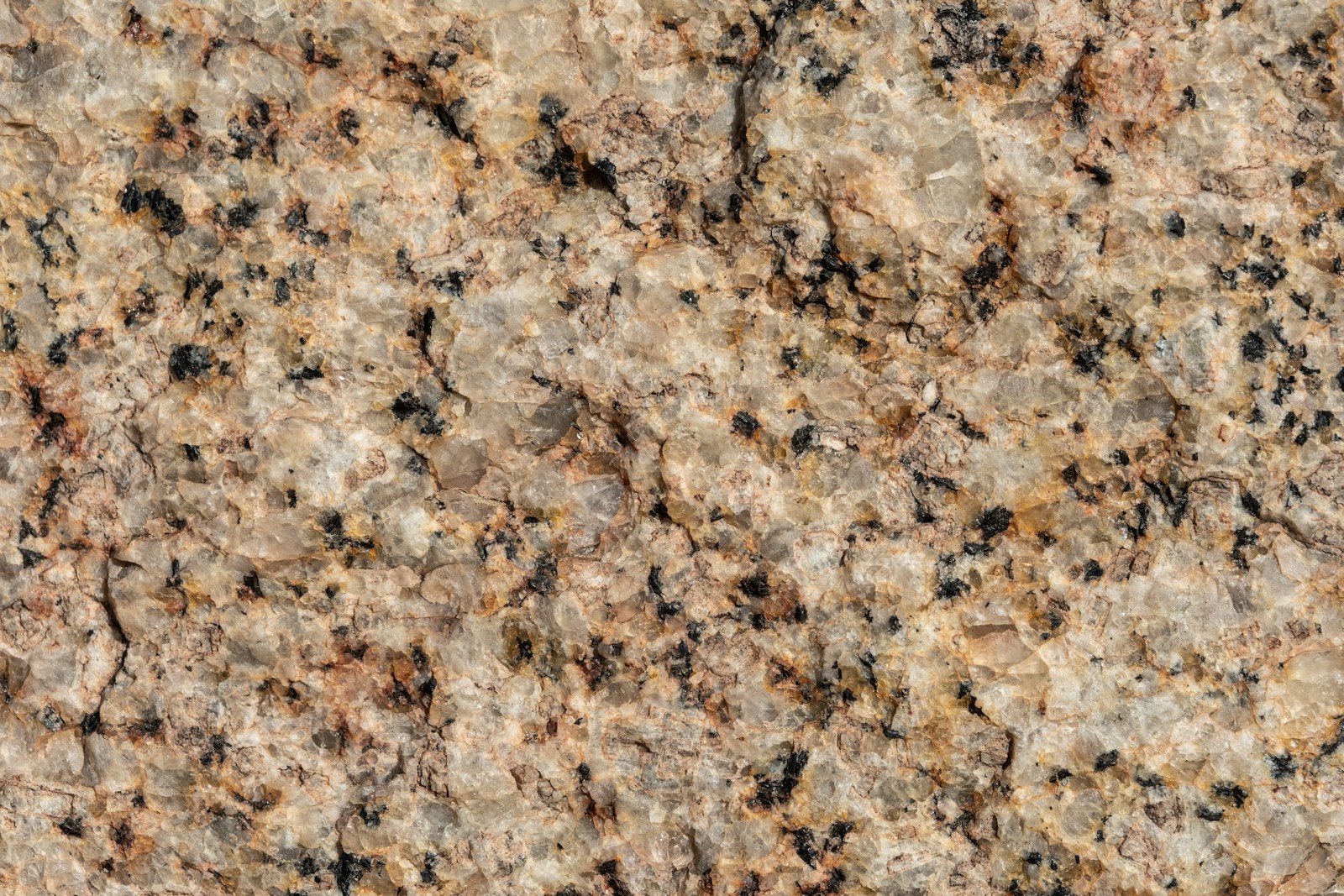
Step 1: Identify the Type of Stain
Before you scrub, figure out what caused the mark. The right treatment depends entirely on the stain type:
| Stain type | Common sources | What to use |
|---|---|---|
| Organic | Coffee, wine, tea, fruit, sauce | Baking soda + hydrogen peroxide poultice |
| Oil-based | Cooking oil, grease, butter, cosmetics | Baking soda + water poultice |
| Hard water / mineral | Faucet rings, limescale | Baking soda paste + gentle scrub |
| Ink / dye | Pen, marker | Light stone: acetone poultice · Dark stone: hydrogen peroxide |
How to Remove Stains From Granite Countertops (Step by Step)
The poultice method works for nearly every stain. Here is the full process:
- Mix the poultice. Combine your base (baking soda) with the right liquid until it reaches a peanut-butter consistency — use water for oil stains, hydrogen peroxide for organic stains.
- Apply a thick layer. Spread about a quarter-inch of paste over the stain, extending slightly past its edges.
- Cover and seal. Lay plastic wrap over the paste, tape the edges down, and poke a few small holes so it dries slowly.
- Wait 24–48 hours. As the paste dries, it pulls the stain out of the stone. Patience is what makes it work.
- Remove and rinse. Scrape off the dried paste, wipe with warm water and a soft cloth, and dry. If a faint mark remains, repeat once more.
Removing Specific Stains
Oil and grease stains
Oil leaves a darker patch because it soaks in. Use a baking soda and water poultice, cover, and let it sit — the paste wicks the oil upward as it dries. Blot fresh grease first with a dry cloth before treating.
Coffee, wine, and food stains
These organic stains respond best to a baking soda and hydrogen peroxide poultice. Test the peroxide on a hidden spot first, especially on darker granite, then apply, cover, and wait.
Hard-water rings
Mineral deposits around faucets aren’t a true stain — they sit on the surface. Gently work a baking soda paste over the ring with a soft cloth, then rinse. Avoid acidic descalers, which can etch the stone.
Ink and marker
On light granite, a poultice made with a little acetone works well; on dark granite, use hydrogen peroxide instead. Always spot-test in an inconspicuous area first.
What Not to Use on Granite
- Acidic cleaners — vinegar, lemon, and citrus cleaners etch the surface and break down the sealer.
- Abrasive pads or powders — steel wool and scouring pads scratch the polish.
- Bleach and ammonia — frequent use dulls the finish and strips the sealer. Stick to mild dish soap for daily cleaning.
How to Prevent Granite Stains
Stopping stains is far easier than removing them. Three habits do most of the work:
- Reseal periodically. A good sealer keeps liquids from soaking in. Test it with the water-bead test — if water soaks in and darkens the stone within minutes, it’s time to reseal. Our granite maintenance guide walks through the full routine, in line with Natural Stone Institute best practices.
- Wipe spills right away. Oil, wine, and acidic foods are the most likely to stain if left to sit.
- Use coasters, trivets, and cutting boards. Simple barriers keep the surface protected day to day.
When to Call a Professional
If a stain won’t budge after two poultice treatments, or if you notice etching, dull spots, or cracks, it’s worth having a professional take a look. A fabricator can assess whether the surface simply needs resealing and polishing — or, if your granite is past its prime, help you explore a fresh new surface. The Maranatha team is happy to take a look and point you in the right direction. Visit our Birmingham showroom or get in touch to talk it through.
Frequently Asked Questions
Do stains come out of granite?
Yes. Most stains lift out with a poultice that draws the mark from the stone’s pores. Deep or old stains may need a second treatment, but the granite itself is rarely harmed.
Does sealed granite stain?
Sealing greatly reduces staining, but no sealer is permanent. If a spill sits long enough on worn sealer, it can still soak in — which is why prompt wiping and periodic resealing matter.
Can you use bleach on granite countertops?
Not for regular cleaning. Frequent bleach or ammonia dulls the finish and strips the sealer. Use mild dish soap and water day to day, and save stronger treatments for targeted stain removal.
How do you get an oil stain out of granite?
Apply a baking soda and water poultice over the oil stain, cover with plastic wrap, and let it dry for 24–48 hours. The paste draws the oil out as it dries. Repeat if needed.
Why does my granite have a dark spot?
A dark spot is usually absorbed liquid — often water or oil — not permanent damage. As it dries out or after a poultice treatment, the spot typically fades back to normal.
Keep Your Granite Looking Its Best
With the right method, most granite stains are a quick fix — and good sealing keeps them from starting. If you’d like a professional opinion on your countertops, or you’re ready to explore new granite for your kitchen, Maranatha Granite serves Birmingham, Pelham, and Hoover, AL. Visit our showroom, reach out with a question, or call 205-663-0400.